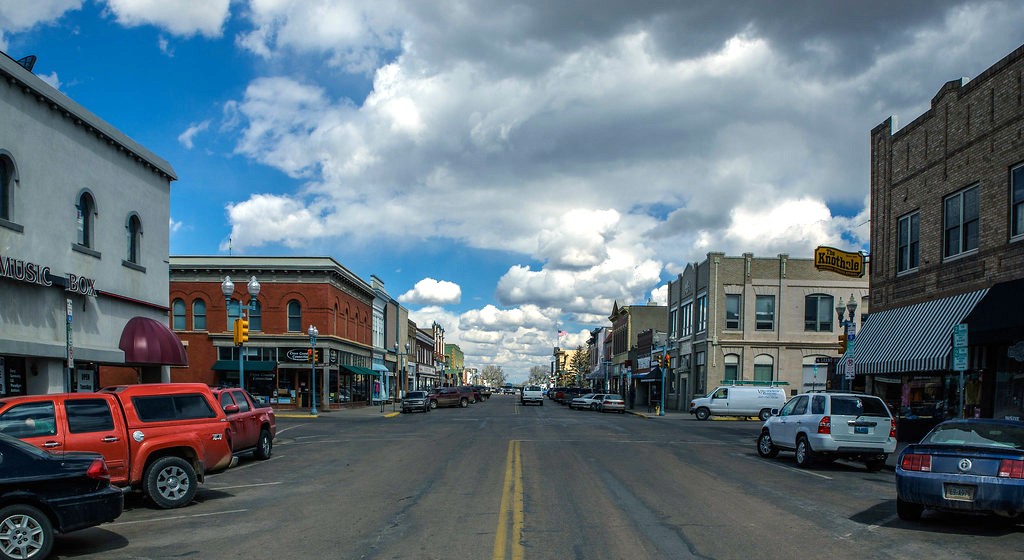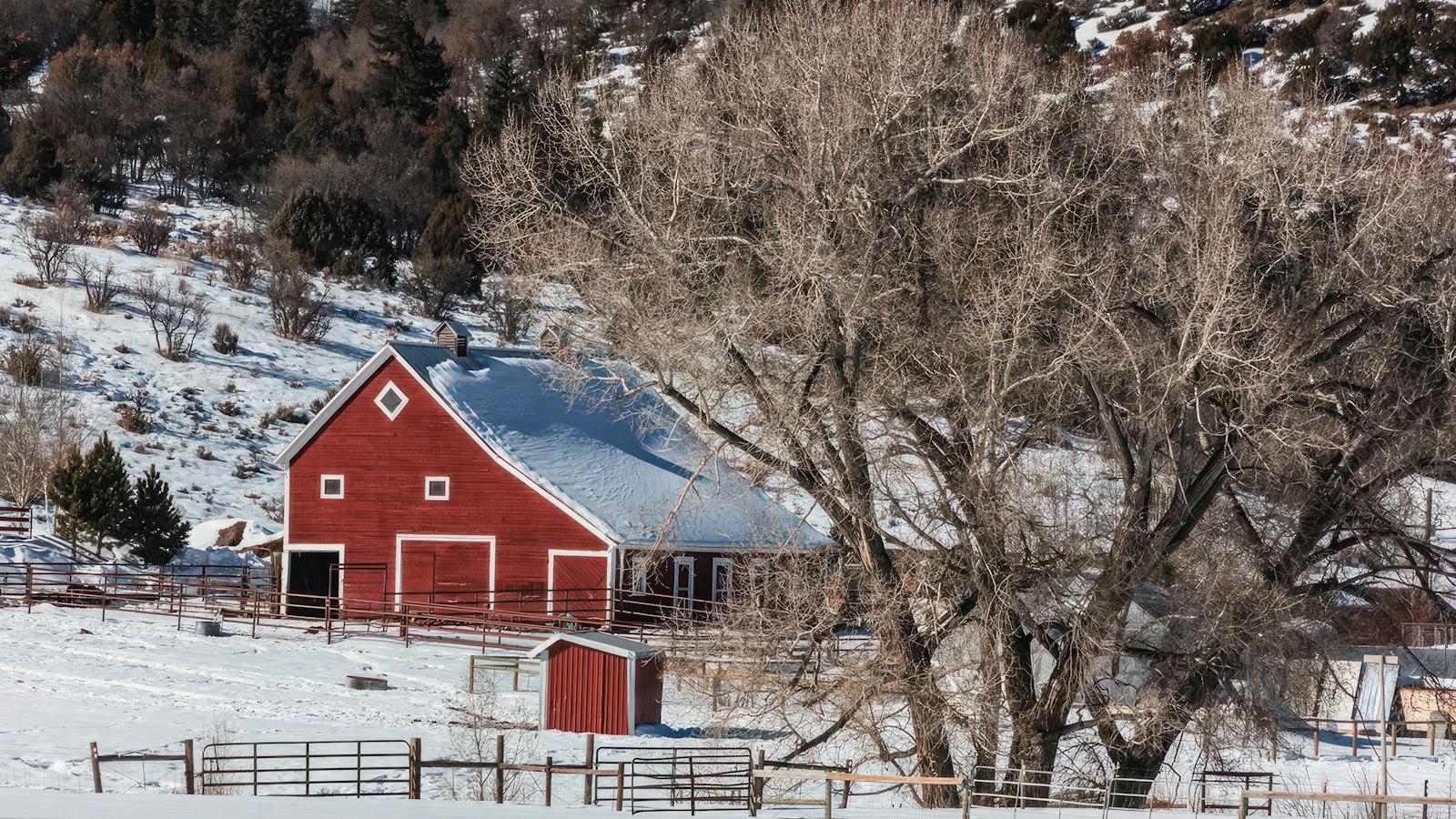
Wide-open acreage and room to build draw many buyers to rural Wyoming. However, financing land works very differently from financing a house in town. Lenders evaluate rural parcels with extra caution, and the property often raises legal and practical questions a subdivision lot never would.
If you are exploring land loans in Wyoming, understanding how lenders view acreage and where to find financing can help you avoid costly surprises.
Why Land Loans Work Differently Than Home Loans
With a standard mortgage, the house serves as collateral that a lender can resell if a borrower defaults. Vacant land is harder to value and slower to sell, so land loans usually come with:
- Larger Down Payments: Expect to put down significantly more than the 3% to 5% common with home loans.
- Higher Interest Rates: Land loans often run one to three percentage points above comparable mortgage rates.
- Shorter Terms: Some land loans last only a few years or include a balloon payment, though agricultural lenders may offer longer terms.
- Stricter Credit Standards: Many lenders look for scores in the 700s, along with a low debt-to-income ratio.
Raw, Unimproved, and Improved Land
Lenders typically group land into three categories:
- Raw Land: Property with no utilities, road access, or development. Down payments of around 35% are common.
- Unimproved Land: Property with some basic features, such as nearby utilities or rough access, but not ready for building. Down payments of roughly 25% are typical.
- Improved Land: A build-ready lot with road access, power, and water or sewer in place. Down payments often start around 15% to 20%.
A clear plan for the property, such as a build timeline, strengthens any application.
Wyoming-Specific Factors Lenders Review
Lenders, appraisers, and title companies will look closely at several issues common to rural Wyoming property.
Water Rights
Wyoming follows the doctrine of prior appropriation, meaning water rights are based on priority dates and permitted uses rather than land ownership alone. Water rights are a separate property interest and can be sold apart from the land. If a lender counts water rights toward the property's value, they must be specifically identified and documented in the loan. Confirm which rights convey through the Wyoming State Engineer's Office records.
Mineral Rights
Split estates are common in Wyoming, meaning the surface and the minerals beneath it may belong to different owners. Review the title commitment carefully to understand how it may affect the property's use.
Legal and Physical Access
A parcel needs legal access through a public road or a recorded easement. Lenders will not finance landlocked property. Winter access matters too, since some rural roads are not maintained year-round.
Wells, Septic, and Power
Many rural properties rely on private wells and septic systems. New wells require a permit from the State Engineer's Office, and septic systems must meet county requirements, often after a soil test. The distance to the nearest power line can also add significant cost to a building project.
Appraisals
Rural parcels often have few comparable sales nearby, which makes appraisals more complex. An appraiser experienced with rural Wyoming property can better account for acreage, water, and access.
Financing Options for Rural Property in Wyoming
Not every mortgage lender offers land loans. Common sources include:
- Local Banks and Credit Unions: Community lenders often hold land loans in-house and know local values.
- Farm Credit Lenders: Lenders in the Farm Credit System, such as Farm Credit Services of America and its Rural 1st program, finance rural homes and land across Wyoming, including parcels without existing improvements.
- USDA Farm Service Agency: Farm ownership loans can help qualifying farmers and ranchers, including beginning producers, purchase agricultural land.
- Wyoming Office of State Lands and Investments: The state offers a farm loan program for qualifying agricultural operations.
- Construction-to-Permanent Loans: If you plan to build right away, this type of loan can finance the land and construction together and then convert into a standard mortgage.
- Seller Financing: Some landowners will carry the loan themselves through a land contract. Have an attorney review the agreement.
If the property already includes a home, you may be able to use conventional, FHA, VA, or USDA financing. Keep in mind that these programs, along with WCDA's homebuyer loans, may limit how much acreage or how many outbuildings can be included.
Preparing To Buy Land in Wyoming
Before you make an offer:
- Talk with lenders early to learn their down payment, credit, and property requirements.
- Build a realistic budget that includes surveys, well drilling, septic installation, utility extensions, and road work.
- Order a survey and review the title commitment for easements, mineral reservations, and covenants.
- Verify water rights, zoning, and county building requirements before closing.
Working with an agent who knows rural Wyoming property helps you spot potential issues early. At Original Realty Group, we help buyers across Laramie and SE Wyoming evaluate acreage and connect with the right professionals.
Find the Right Piece of Wyoming
Financing land takes more planning than buying a home in town, but understanding how lenders view rural parcels puts you in a stronger position to make a confident offer.
Ready to explore land and rural properties? Contact Original Realty Group to start your search with a team that knows the local market.
Frequently Asked Questions
How much do you need to put down on a land loan in Wyoming?
Down payments typically range from about 15% for improved, build-ready lots to 35% or more for raw land. Your credit, the lender, and your plans for the property all affect the final requirement.
Can you use a USDA or FHA loan to buy land?
Generally not for vacant land alone. However, construction-to-permanent versions of some government-backed loans can cover both the land and a new home built on it.
Do water rights automatically transfer with land in Wyoming?
Not always. Water rights are a separate property interest in Wyoming, so confirm which rights are included in the sale and make sure they are properly conveyed at closing.