.svg)
.svg)


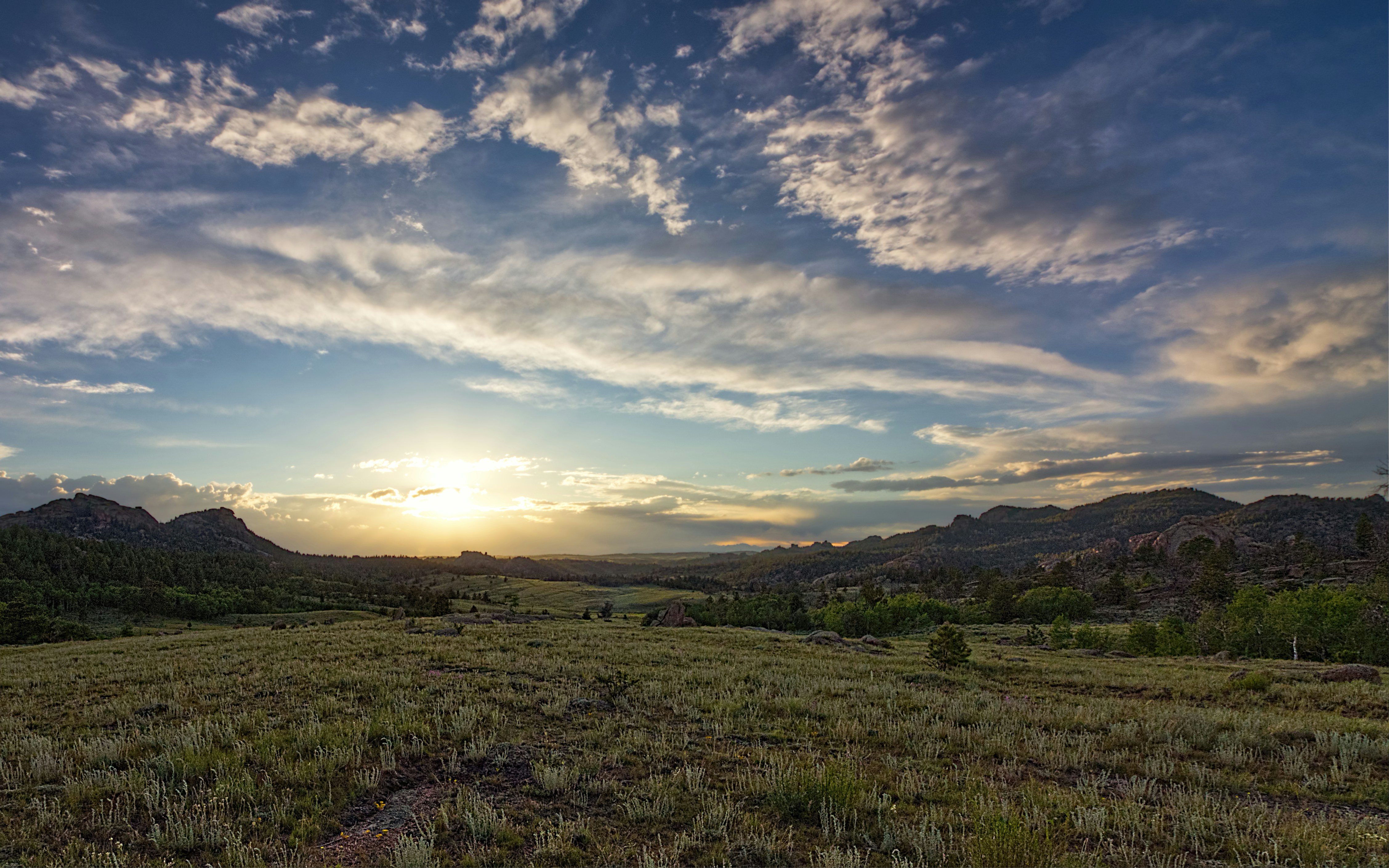
Choosing between a city or in-town residence and a rural property in Wyoming usually comes down to one fundamental trade-off: the convenience and community of city life versus the space and total privacy of country living. Whether you are drawn by Wyoming's favorable tax climate or its majestic landscapes, finding the right property type depends heavily on how you prefer to live day-to-day.
When exploring homes for sale in Wyoming, you’ll find that city and in-town living offer quick access to local coffee shops, paved roads, municipal utilities, and vibrant neighborhoods. On the other hand, rural living has acres of elbow room, allowing you to enjoy unobstructed mountain views and quiet, starry nights. While both options deliver fantastic lifestyle perks, they carry vastly different upfront costs and ongoing maintenance responsibilities.
Below, we break down housing costs, daily routines, school access, property upkeep, and outdoor recreation so you can evaluate these key differences and confidently choose the Wyoming lifestyle that best fits your goals.
What City Living in Wyoming Looks Like
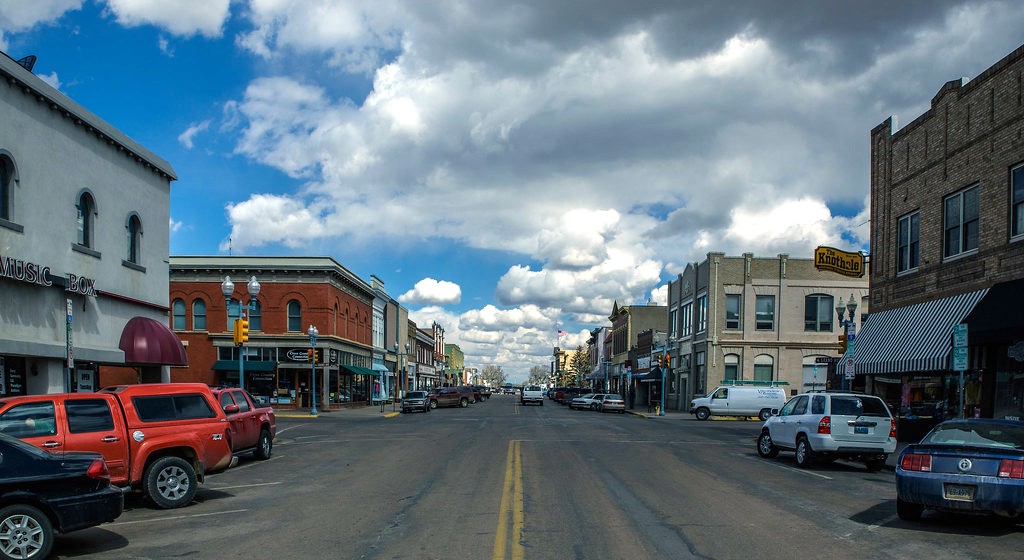
City life in Wyoming centers on thriving mountain towns and regional hubs like Laramie, Cheyenne, and Casper. Neighborhoods are quiet with schools only a short drive away and everyday essentials are easily accessible from regional stores and locally owned shops.
Laramie offers a unique mix of vibrant local culture and historic small-town charm, frequently ranking among the top college cities in the country. For those who prefer smaller communities outside the city, Rawlins and Wheatland offers a quieter, small-town setting with the same conveniences and municipal services found in Wyoming cities.
Buyers can find a variety of architectural styles and flexible price points, ranging from historic Victorian-era city properties to newer residential developments, classic ranch-style homes, and historic homes in surrounding rural town centers.
One of the best parts of living in town is getting time back in your day. Because most amenities are within close proximity, you’ll end up spending less time behind the wheel and more time enjoying your neighborhood.
Key Perks of City Living
- Shorter Commutes: Averages roughly 15 minutes in central Albany County
- Municipal Infrastructure: Connected city water, sewer, and trash services
- Everyday Convenience: Quick access to healthcare, schools, local shops, and grocery stores
- Paved Street Maintenance: Reliable municipal street upkeep and city snowplowing
What Makes Rural Wyoming and Surrounding Communities So Special
Rural Wyoming has an appeal that standard market stats cannot fully capture. The open air, peaceful quiet and freedom from crowds and city noise draw a very specific type of homebuyer.
Properties often sit on generous acreage, with plenty of room for horses, outbuildings, large gardens, and picturesque, wide-open views.
Land per dollar goes further here than in many neighboring states, which means you will easily be able to find acreage properties that fit ambitious plans without breaking your budget.
However, rural living demands self-reliance. Your access to medical specialists, major retailers, and schools will involve longer drives.
Infrastructure also changes outside city boundaries. Most rural homes rely on private wells, septic tanks, and propane heating. You will be responsible for your own utility maintenance and driveway snow removal during heavy winter storms.
Housing Costs: City vs. Rural Wyoming
The overall cost of buying a home in Wyoming varies depending on location, property condition, and total land size.
According to the Zillow Home Value Index, the average single-family home value in Laramie is roughly $381,762, with median sale prices generally between $380,000 and $400,000. In purely rural pockets of southeastern Wyoming, prices depend heavily on home condition, acreage, and existing outbuildings.
Tax policy remains a big win across the board. Wyoming remains one of the most tax-friendly states in the nation.
State Tax Benefit Highlights
- State Income Tax: 0.0%
- Average Effective Property Tax: Roughly 0.6%
- Retirement Income Tax: 0.0%
A Quick Comparison of City vs. Rural Wyoming Living
To help you weigh your options, here is a quick look at how town and country living compare across key daily factors.
City & In-town Living
Rural Wyoming
Typical Home Price
Moderate to mid-range
Varies widely by acreage and build
Lot Sizes
Standard city lots; established subdivisions
Multi-acre parcels; open rangeland
Average Commute
10 to 15 minutes
30 to 60+ minutes
School Access
Centralized districts
Regional bus routes; smaller student counts
Utilities
City water, sewer, and gas grid
Private well, septic system, propane tank
Property Upkeep
Yard maintenance and standard home repairs
Road grading, snow clearing, equipment care
Outdoor Access
City parks, bike paths, and nearby trails
Direct access right from your back gate
Tax Assessment
Subject to local municipal mill levies
County baseline mill levies only
Schools, Amenities, and Daily Life
If you have school-aged children, where you live impacts your morning schedule. Towns like Laramie have consolidated public school campuses, offer a variety of sports leagues, and are close to college campus events. Schools in rural districts of Albany County, on the other hand, tend to have tight-knit communities, with smaller class sizes and low student-to-teacher ratios.
When it comes to daily errands, city residents enjoy grocery stores, pharmacies, coffee shops, and medical clinics just minutes away. For those residing in outlying areas such as Woods Landing or Bosler, you will likely make fewer, larger grocery runs and keep extra supplies on hand due to extreme weather conditions.
Outdoor Recreation in Wyoming
In Wyoming, access to nature isn't limited to country living. In fact, spectacular outdoor destinations are practically around the corner from most cities and towns:
- Snowy Range Mountains: About a 45-minute drive west
- Vedauwoo Rock Formations: Roughly 20 minutes’ drive east
- Happy Jack Recreation Area: Approximately 15 minutes’ drive east
Whether you prefer a rural, suburban, or urban setting, access to nature and local wildlife remains a major perk of living in Wyoming.
Property Maintenance and Long-Term Value
Upkeep is a crucial factor that buyers sometimes overlook during a home search. Upkeep demands differ significantly between city and town properties and rural acreage.
Rural ownership comes with added physical responsibility, including:
- Monitoring water filtration equipment
- Scheduling periodic system pumping and inspections
- Maintaining long, unpaved driveways and boundary fences
- Clearing snow from private roads during winter storms
City homes connect to municipal utility lines, simplifying your monthly maintenance list. Many properties in Wyoming suburbs also feature smaller yards that take less time to mow and maintain.
When evaluating long-term value, focus on how well the house fits your daily lifestyle. A home that matches your routine and budget is always a solid financial choice.
Which Wyoming Setting Is Right for You?
Deciding where to buy a property comes down to your personal priorities and daily preferences. Ask yourself these practical questions to narrow your search:
- Do you prefer walking to local coffee spots, or do you want absolute quiet on weekends?
- How many minutes are you willing to drive for basic groceries and medical care?
- Are you comfortable managing private utilities, such as septic systems and wells?
- Would a semi-rural property near town offer the ideal balance for your family?
Frequently Asked Questions
Is rural or city living more affordable in Wyoming?
Town properties often carry higher median purchase prices, however rural homes can come with higher ongoing maintenance costs. Utility installation, well care, and private road upkeep can offset lower upfront land costs.
Do townhomes and rural properties have different property tax rates?
While Wyoming's assessment rate for residential property is uniform across the state (with effective tax rates averaging roughly 0.6%), total tax bills vary by local mill levies. In-town properties are subject to municipal taxes that support city infrastructure, whereas rural properties typically pay lower county baseline rates.
How do I decide between rural land and a townhome?
Consider your tolerance for home maintenance, winter snow removal, and the distance of your commute. A local real estate advisor can help you weigh available properties against your daily budget and routine.
How Original Realty Group Can Help
Choosing between city and rural living when investing in Wyoming real estate is much easier when you work with local experts.
At Original Realty Group, we understand that every buyer’s vision for Wyoming living is unique. Our team takes the time to understand your lifestyle goals before showing you options. Whether you are relocating across the country or moving across town, we bring local expertise and personalized strategy to your search.
Explore our buyer resources to get started, or reach out to our team today, and we’ll help you find your ideal Wyoming home.

.jpg)
.jpg)
.svg)