.svg)
.svg)


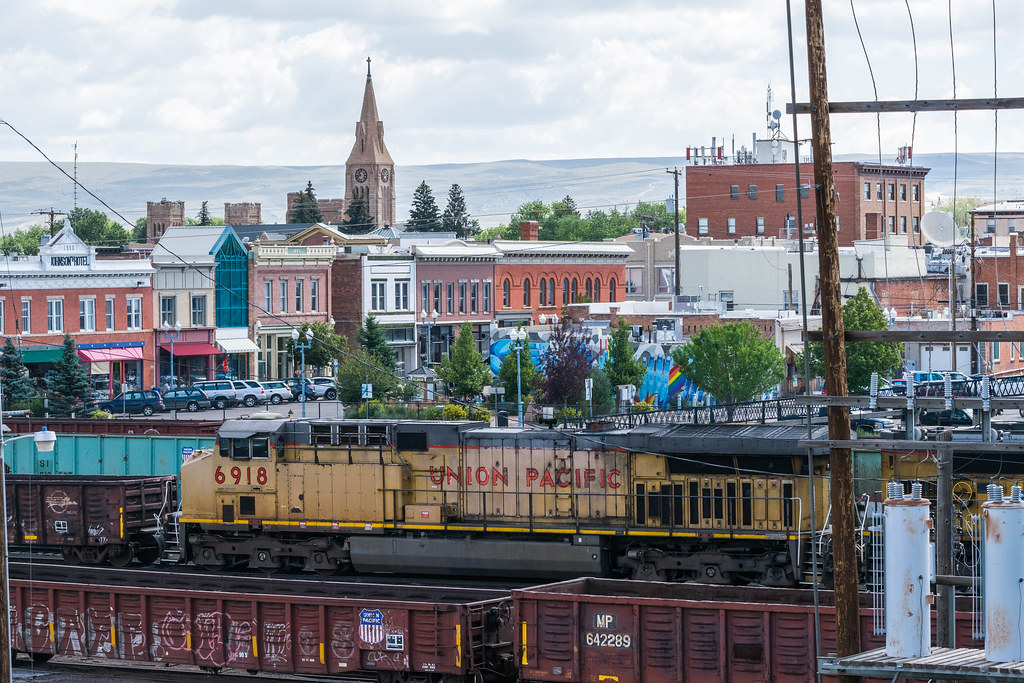
Moving to Wyoming is a significant milestone. Whether you're drawn to the high plains of Cheyenne or the mountain valleys of Jackson, finding your place in the Cowboy State is an excellent opportunity to plant deep roots and build your future.
However, you may find that the purchasing process in Wyoming comes with strict nuances you won’t find in other states. Wyoming is a non-disclosure state that prohibits dual agency, while its vast geography demands specialized due diligence requirements for rural and acreage properties.
But what does this mean for you and your investment?
In this guide, we’ll break down the local housing market, available financing options, how to find the right local agent, what rural due diligence actually involves, and exactly what to expect from offer to closing day.
Opportunities in the Wyoming Housing Market
Before you begin browsing active listings, it is essential to look at the macroeconomic data defining the state.
While Wyoming generally offers a highly competitive entry point compared to the national landscape, the real estate market is deeply fragmented. What looks like an accessible statewide average can shift dramatically the moment you zoom into a specific county or resort town.
Approaching your search with a firm grasp of these baseline metrics is the best way to anchor your expectations, protect your capital, and time your purchase strategically.
The Macro View: A Look at Wyoming’s Housing Market
Wyoming's housing market has seen steady price growth over the past several years. As of October 2025, the state's median sales price reached $319,000, with home values rising approximately 3.3% year-over-year and homes spending an average of 45 days on market before closing. The national median home price sits at approximately $410,700, keeping Wyoming moderately below average for buyers coming from higher-cost states.
Statewide averages only tell part of the story. Wyoming's real estate dynamics vary considerably by region, dictated by local industry, geography, and inventory:
- Laramie County (Cheyenne): The capital region maintains a median sold price of $396,223 with 2.6 months of inventory, reflecting steady demand from commuter and military populations.
- Natrona County (Casper): Offering exceptional affordability for families and industry professionals, the region averages approximately $285,500.
- Teton County (Jackson): Driven by global resort-area demand and strict geographical constraints, the median sale price sits at a median sale price of $2.375 million as of Q3 2025.
Seasonal shifts play a massive role in negotiation leverage. Late spring and summer are the peak buying seasons, when inventory and competition both climb. Meanwhile, fall and winter often bring less competition and more room to negotiate.
Purchasing a Wyoming Property: A Step-by-Step Guide
Navigating a real estate transaction in the Cowboy State requires a systematic approach, balancing financial preparation with highly localized legal due diligence. Understanding each milestone ensures a secure, transparent, and legally sound transaction.
Assess Your Finances and Set a Budget
Reviewing your baseline financial metrics is the foundational step of any successful real estate purchase. Before you search for homes for sale in Wyoming or schedule a single showing, it’s important to review your financial position. Underwriters evaluate your entire credit profile, recurring liabilities, employment history, and liquid reserves to establish your definitive purchasing power.
Here are key financial benchmarks they consider:
- Credit Score: Most conventional lenders require a minimum of 620, while FHA loans may accept scores as low as 580 for qualifying buyers.
- Debt-to-Income Ratio: Most formal mortgage programs prefer a DTI at or below 43%-45%.
- Down Payment Savings: Standard requirements range from 3% to 20%, depending on loan type.
- Cash Reserves: Ensure your budget accounts for out-of-pocket costs, including inspection fees, moving costs, and early home maintenance.
- Property Taxes: Wyoming's average effective rate is 0.57% with residential properties assessed at 9.5% of fair market value.
Wyoming has no state income tax and no real estate sales tax, which lowers the long-term cost of owning here compared to national averages.
Know Your Mortgage and Financing Options
Choosing the right loan is one of the most important decisions you'll make when buying a home in Wyoming. Buyers can leverage several distinct mortgage vehicles, each with different eligibility requirements:
- Conventional Financing: 3% – 20% down payment with a minimum 620 credit score
- FHA Loans: 3.5% down; minimum 580 credit score; home must meet FHA appraisal standards
- VA Loans: 0% down for eligible military service members and veterans
- USDA Loans: 0% down for buyers in eligible rural areas, subject to income limits
Understand Wyoming Community Development Authority (WCDA) Programs
First-time home buyers in Wyoming should look into the Wyoming Community Development Authority (WCDA), which offers dedicated assistance to reduce upfront costs:
- Standard First-Time Homebuyer Program: Low fixed-rate, 30-year financing; compatible with FHA, VA, and Rural Development loans. The WCDA also offers zero-interest down payment loans and tax credits for eligible buyers.
- Mortgage Credit Certificate (MCC): A federal income tax credit based on mortgage interest paid, usable over the life of the loan
Most WCDA programs require a minimum credit score of 620, owner-occupancy, a home on 10 acres or less, and completion of a homebuyer education course through Wyoming Housing Network, Inc.
Secure Mortgage Pre-Approval
Get pre-approved before you start touring properties. A pre-approval letter tells sellers you're a serious buyer and gives you a defined budget from the start. In Laramie County and Natrona County, where inventory regularly drops below two months of supply, showing up without pre-approval puts you at a real disadvantage.
Your lender will ask for credit history, income documentation, employment verification, and asset statements. Look over your pre-approval terms carefully. Pay attention to the interest rate type, loan amount, and any attached conditions.
Partner With a Wyoming Real Estate Agent
Because Wyoming statutory law strictly prohibits dual agency, real estate professionals cannot represent both the buyer and the seller in the same transaction. This restriction guarantees that your designated buyer’s agent maintains an undivided fiduciary duty to protect your legal and financial interests.
A good buyer's agent brings:
- Exclusive, real-time MLS access is not visible on public portals
- Contextual knowledge of local trends, zoning, and community details
- Help with offers, contingencies, and negotiations
- Connections to local inspectors, lenders, and title companies
Since sellers aren't required to disclose all property details, having an agent who asks the right questions matters more than most buyers expect. Without targeted questions, details about past damage, water access, easements, or zoning restrictions may never come up.
Search for Homes and Explore Wyoming Communities
With financing and an agent in place, start your search with clear priorities: school districts, commute distance, outdoor access, and community size all shape long-term fit. Your agent can pull real-time MLS listings and set up showings.
Public platforms often run delayed, so this direct access gives you an edge. Browse buyer resources at Original Realty Group to explore communities by lifestyle. If you're relocating from out of state, an in-person visit before making an offer is worth the trip.
Make an Offer and Negotiate
Your agent will help put together a purchase and sale agreement that covers the offer price, closing date, earnest money, and contingencies. Standard components include:
- Earnest Money: 1%–3% of the purchase price, held in escrow
- Appraisal Contingency: Confirms appraised value meets the agreed price
- Inspection Contingency: Allows renegotiation based on inspection findings
- Financing Contingency: Protects your earnest money if the loan falls through
Since sellers aren't required to disclose property details, your agent's MLS access and county comparable sales are the most reliable sources for pricing.
Schedule Inspections and Conduct Due Diligence
A professional home inspection is one of the best protections you have in the purchase process. Even newer properties can have issues with roofing, HVAC, foundations, or plumbing that don't show up during a showing.
For rural or acreage properties, schedule these alongside the standard inspection:
- Well water flow rate testing (measured in gallons per minute) and water quality analysis
- Septic system condition review and permit documentation
- Title commitment review for easements, rights-of-way, and access agreements
- FEMA flood zone status determination
- Utility availability and estimated extension costs
Review Closing Costs and Close on Your Home
Transactional closing costs in Wyoming generally range from 2% to 5% of the total purchase price. Standard settlement expenses include lender origination fees, appraisal costs, title searches, title insurance policies, and prepaid escrow items for property taxes and homeowners insurance.
Under federal regulations, you will receive a Loan Estimate within three business days of your mortgage application, followed by a final Closing Disclosure at least three days prior to settlement. Review these line items meticulously against your original pre-approval terms before executing the final wire transfer or issuing a cashier's check on closing day.
Special Considerations for Rural Wyoming Real Estate
Wyoming's rural real estate has its own set of rules, and skipping due diligence here can be costly. Here's what to look into before you make an offer:
Water Rights
Wyoming follows the prior appropriation doctrine “First in Time, First in Right”. Adjudicated water rights allow irrigation under those allocations; without them, a standard well permit limits irrigation to one acre. Verify rights and permitted uses through the Wyoming State Engineer's database before closing.
Utilities and Infrastructure
Running electricity to a remote parcel can cost $5,000 to $25,000 or more. A new septic system runs $12,000 to $20,000. Price out off-grid alternatives before making an offer.
Seasonal Access and Easements
A property easy to reach in summer may be cut off in winter. Review the Title Commitment for all easements, rights-of-way, and agricultural use agreements.
Mineral Rights
Mineral rights in Wyoming are frequently severed from surface rights. Confirm whether they transfer with the sale before you close.
Wyoming Home Buyer Checklist
☐ Review credit score and resolve outstanding issues
☐ Set a budget based on DTI ratio, savings, and estimated property taxes
☐ Research WCDA programs if you qualify as a first-time buyer
☐ Obtain mortgage pre-approval
☐ Engage a licensed Wyoming real estate agent
☐ Define target communities and property criteria
☐ Search MLS listings and attend in-person showings
☐ Submit offer with contingencies and earnest money
☐ Complete home inspection and any rural-specific evaluations
☐ Review title commitment for easements, water rights, and mineral rights
☐ Confirm final closing costs and secure homeowners' insurance
☐ Conduct final walkthrough and sign closing documents
Frequently Asked Questions About Buying a Home in Wyoming
How much money do I need to buy a home in Wyoming?
A 5% down payment on Wyoming's median price of $521,400 is roughly $26,070. Budget for additional closing costs. Some loan programs offer 0% down for eligible buyers, though closing costs still apply.
What is the WCDA, and who qualifies?
The WCDA offers low-interest mortgages and down payment assistance. Most programs require a credit score of 620, owner-occupancy, and a homebuyer education course. Visit wyomingcda.com for details.
How long does it take to close?
Most closings take 30 to 60 days. Rural purchases may run longer. Your agent and lender will give you a firm timeline once under contract.
What makes rural property different in Wyoming?
Rural purchases require extra due diligence — water rights, mineral rights, septic systems, road access, and utility costs all need verification. Work with an agent experienced in rural transactions.
Find Your Place in Wyoming With Experts Who Know the Market
Wyoming's real estate market offers plenty of options with various property types that few states can match. However, finding the best fitting property requires due diligence. With the help of local professionals, you can secure deals that fit your budget and preferences.
At Original Realty Group, our team is equipped to help you evaluate neighborhoods, understand rural property quirks, and identify a home that supports your family's goals. Reach out to us today to schedule a consultation. We are helping you find a home where you can establish your roots.
DISCLAIMER: Real estate markets, lending requirements, property taxes, and local regulations may change over time. Buyers should consult qualified real estate, legal, tax, and financial professionals regarding their specific circumstances before making a purchasing decision.

.jpg)
.jpg)
.svg)